
quality tempered glass
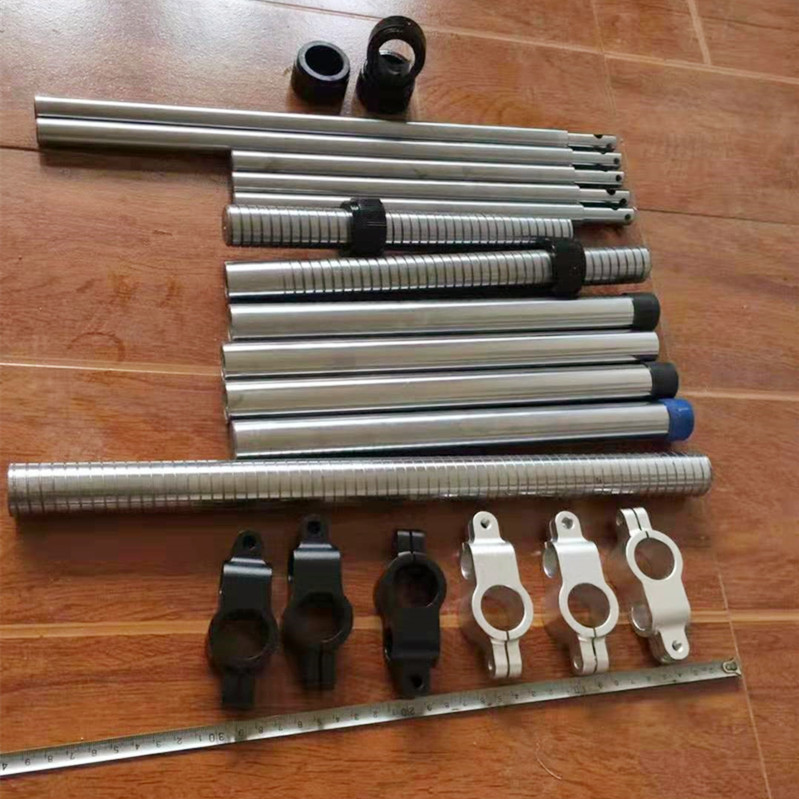
The concept of pipe clamp is a simple yet incredibly versatile tool that has found its way into countless applications across various industries. At its core, a pipe clamp is a device designed to securely hold two or more pipes together, allowing for easy manipulation and control during construction, maintenance, or repair work. One of the key advantages of using pipe clamps is their ability to provide a strong and reliable grip on pipes of varying sizes and shapes. This versatility is achieved through the use of adjustable jaws that can be tightened or loosened as needed to fit different pipe diameters. The jaws are typically made of high-quality materials such as steel or aluminum, which ensures they can withstand the rigors of heavy-duty applications without losing their strength or durability. In addition to their strength and versatility, pipe clamps are also relatively easy to use. They can be quickly and easily installed by simply adjusting the jaws to the desired size and then tightening them in place using a lever or screw mechanism. This makes them an ideal choice for contractors, plumbers, and other professionals who need to work with pipes on a regular basis This makes them an ideal choice for contractors, plumbers, and other professionals who need to work with pipes on a regular basis This makes them an ideal choice for contractors, plumbers, and other professionals who need to work with pipes on a regular basis This makes them an ideal choice for contractors, plumbers, and other professionals who need to work with pipes on a regular basis pipe clamp . Perhaps one of the most significant benefits of using pipe clamps is their ability to save time and increase efficiency. By eliminating the need for specialized tools or techniques to hold pipes in place, workers can focus on completing their tasks more quickly and with greater accuracy. This can lead to significant cost savings for businesses and homeowners alike, as well as improved safety on construction sites and in other environments where pipes are being worked on. In conclusion, pipe clamps are an indispensable tool for anyone involved in construction, maintenance, or repair work that involves pipes. Their strength, versatility, ease of use, and ability to save time and money make them an essential item for any toolbox. Whether you're a professional contractor or a DIY homeowner, having a reliable supply of pipe clamps on hand will ensure that you can tackle any plumbing or piping project with confidence.
about
quality tempered glass
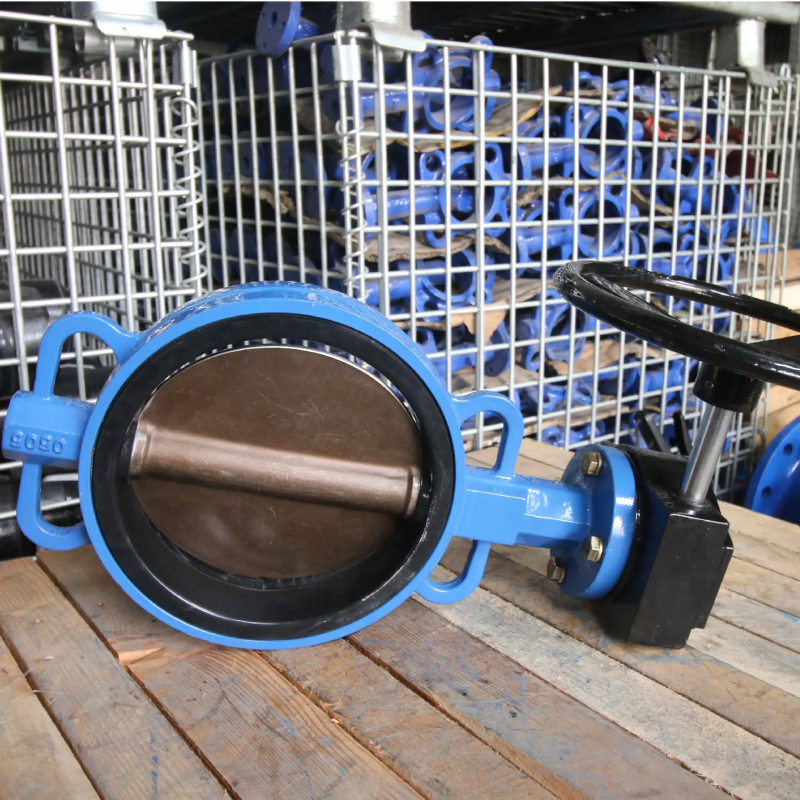
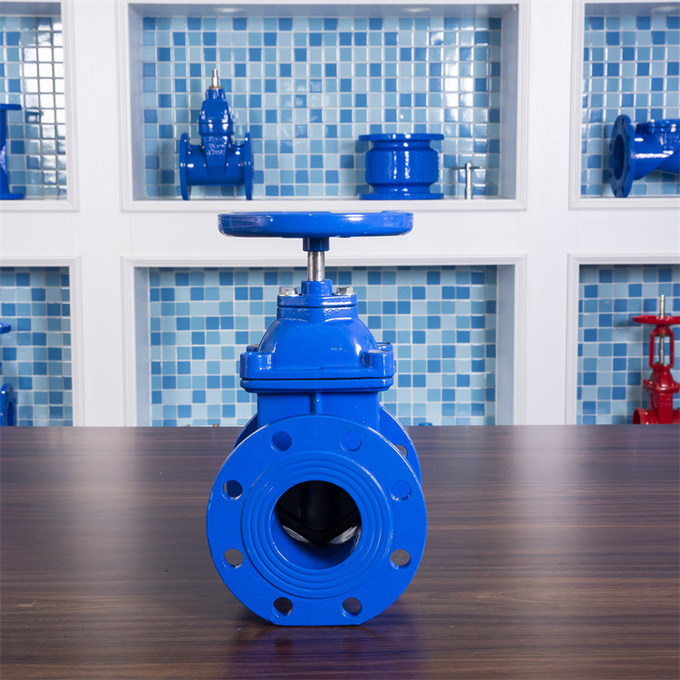
Water Flow Control Valve Types An Overview Water flow control valves are essential components in various industrial and residential applications. Their primary function is to regulate the flow of water, ensuring that systems operate efficiently and effectively. Understanding the different types of water flow control valves is crucial for selecting the right one for your specific needs. In this article, we will explore the various types of water flow control valves, their functions, and applications. 1. Gate Valves Gate valves are among the most common types of water flow control valves. They are designed to allow or restrict flow through a pipe entirely when the gate is raised or lowered. These valves provide a straight-line flow, which minimizes pressure loss. Gate valves are ideal for applications where the valve is either fully open or fully closed, as they are not designed for throttling flow. Common uses include irrigation systems and water supply systems. 2. Globe Valves Globe valves are versatile and widely used in various applications where flow regulation is necessary. They consist of a movable disk that can be adjusted to control the flow of water. The design of globe valves allows for fine control over flow rates, making them suitable for throttling purposes. Although they create more pressure drop compared to gate valves, they are preferred in applications that require frequent adjustments, such as in heating and cooling systems. 3. Ball Valves Ball valves utilize a spherical disc to control flow. When the ball is rotated to align with the flow direction, water can pass through; when turned perpendicular, the flow is shut off. Ball valves provide a reliable seal and are known for their durability and ease of operation. They can be used for both on/off and throttling applications but are most effective for quick open/close operations. Their applications range from residential plumbing to large industrial processes. water flow control valve types 4. Butterfly Valves Butterfly valves are characterized by a circular disc that rotates around a central axis. They are known for their lightweight construction and compact design, making them suitable for applications with limited space. Butterfly valves offer quick shut-off and can be used for throttling. They are widely used in water treatment plants, HVAC systems, and fire protection applications due to their efficiency and ease of installation. 5. Check Valves Check valves are designed to allow fluid to flow in one direction only, preventing backflow. They are crucial for maintaining pressure and ensuring that water flows in the intended direction. Check valves come in various designs, including swing check, lift check, and ball check valves, each suited for different applications. Common uses for check valves include sump pumps, drainage systems, and anywhere backflow prevention is essential. 6. Pressure Relief Valves Pressure relief valves are safety devices that release water to prevent excessive pressure buildup in a system. They are essential in applications where pressure fluctuations can lead to equipment damage or failure. These valves operate automatically when the pressure exceeds a predetermined level, thus maintaining system integrity. They are commonly used in water boilers, tanks, and other applications where pressure control is critical. Conclusion Selecting the right water flow control valve is crucial for any system that deals with fluid management. Each type of valve—be it gate, globe, ball, butterfly, check, or pressure relief—has its unique benefits and applications. When choosing a valve, consider factors such as the nature of the fluid, pressure requirements, space constraints, and the specific needs of your system. By understanding the various types of water flow control valves, you can ensure efficient and reliable water management in your applications, enhancing both performance and longevity. Whether in industrial settings, agricultural irrigation, or residential plumbing, the right valve can make all the difference in achieving optimal flow control and system efficiency.
-

High quality industrial productsagement

High quality industrial products
View Details -

Meet the diverse needs of customers

Meet the diverse needs of customers
View Details -

Strict quality control

Strict quality control
View Details -

Top raw materials

Top raw materials
View Details -

Trusted supplier

Trusted supplier
View Details
Our application
news and information

Water Valve Shutoff System for Efficient Water Management and Control
Understanding Water Valve Shutoff Key Insights for Homeowners Water valves are essential components
Wear Resistance Strategies for Trapezoidal Threads
Trapezoidal threads are a cornerstone of mechanical systems requiring precise linear motion and load
Y Strainer Flange Type - Enhance Your Pipeline Efficiency
The Importance of Y Strainer Flange Type in Fluid Management In the world of fluid management, ensur
 English